A Perspective on Artificial Intelligence
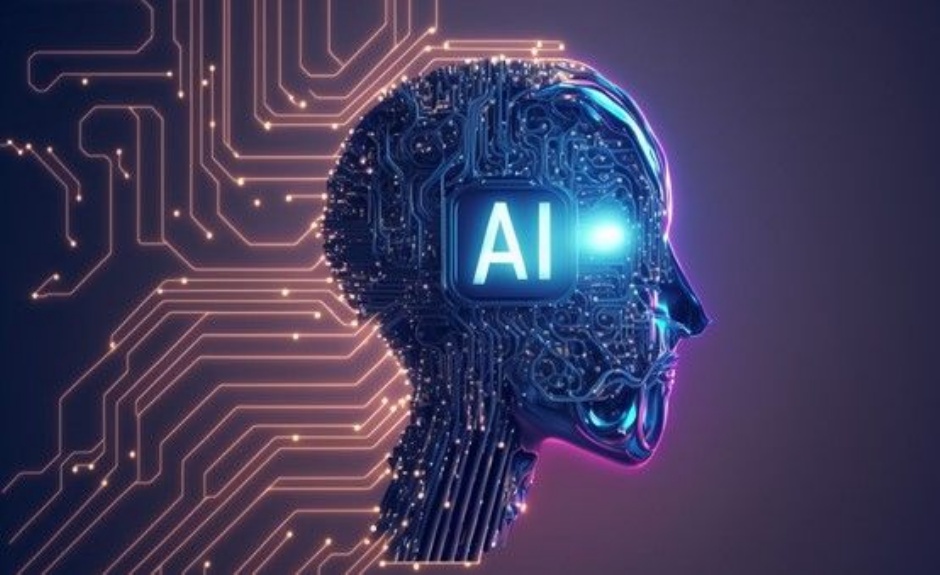
Artificial Intelligence has slipped quietly into ordinary life. It chooses the next song on a playlist, predicts the route home and increasingly offers answers to questions in tidy, confident prose. For us as parents, however, the matter feels rather more immediate. What place should this technology have in a child’s education? How do we ensure they are safe? And how do we make certain that it supports their growth rather than diminishing it?
The first principle is a simple one: the child comes first. Technology, AI included, is a tool fashioned by human hands. Like a calculator, a library catalogue or indeed the internet itself, it can be used wisely or poorly. Familiar examples include systems such as ChatGPT and image generators like DALL·E, though many children encounter AI in less obvious ways through search engines, learning platforms and online games. The real question for schools is not whether to acknowledge its existence, but how to introduce it sensibly and with proper oversight.
There is no doubt that AI can offer genuine benefits when handled carefully. Some platforms can adjust work to suit a child’s level, providing further practice where it is needed and stretching those who are ready to move ahead. That kind of responsiveness can quietly reinforce classroom teaching. Immediate feedback can also be valuable. When a pupil is wrestling with a tricky mathematical method or shaping a piece of writing, timely guidance can steady the process and build confidence.
Used under a teacher’s watchful eye, AI can even help to stimulate curiosity. It may assist pupils in framing better questions or in organising their early thoughts on a topic. For children who find reading or writing more demanding, supportive tools can help them express ideas that might otherwise remain locked away. In such cases, technology serves the broader purpose of education, which is to draw out potential and encourage steady growth in both skill and self-belief.
All that said, it is important to remain realistic. AI systems do not possess understanding in the human sense. They generate responses based on patterns and probabilities, and they can be wrong, sometimes confidently so. One of the most valuable lessons we can teach young people is that a fluent answer is not automatically a trustworthy one. They must learn to question, to verify and to think for themselves. Productive struggle is not something to be avoided at all costs; it is often the very path by which deep learning takes root.
Safety and privacy also require careful attention. Sensible schools take pains to select age-appropriate platforms, to comply with data protection requirements and to ensure that any use of AI is supervised. Unrestricted access is neither necessary nor advisable for young children. Clear boundaries help pupils understand when technology may support their learning and when their own unaided effort is required. In this way, academic integrity and good habits of mind are preserved.
It is equally important that conversations about AI sit within a wider education in digital responsibility. Children should understand that technology reflects human choices and may carry human biases. They need guidance on safeguarding personal information and conducting themselves with courtesy and restraint online. These are not merely technical matters but aspects of character formation.
AI is likely to remain part of the world our children inherit. To pretend otherwise would be unrealistic. Yet there is a great difference between thoughtful introduction and uncritical enthusiasm. With steady guidance, clear expectations and open communication between home and school, AI can be kept firmly in its proper place.
The aim, surely, is not to raise children who lean on artificial intelligence at every turn, but young people who approach it with confidence, discernment and integrity. If we hold fast to that perspective, there is every reason to feel both calm and hopeful about the path ahead.
Craig Cuyler
Designated Safeguarding Lead/Director of Wellbeing/
Head of PSHEe/Assistant Housemaster (Main School)