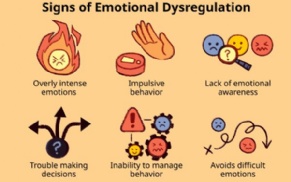
Learning to Self-regulate Our Emotions
Published 26/06/26, by Angela Slater
There are days that are sent to test us...
Thoughts, comments, ideas and pause for thought from members of our school and extended community.
There are days that are sent to test us...

To book a place please click here: Positive Parenting talk - Saturday 27 June - The Pilgrims' School

Respect sits at the heart of a happy and thriving community. It underpins positive relationships, supports emotional wellbeing, and helps children learn how to live and grow alongside others with kindness and understanding.

The word ‘vulnerability’ conjures many connotations, and depending on our experience of being vulnerable with our emotions, we may have very varied opinions regarding sharing our lives with others.

As the end of the school year approaches, many families find themselves caught in a familiar whirlwind - a kind of tail-spin of activity.

There is a particular kind of child I meet more and more often in prep schools. They are articulate, conscientious, and outwardly thriving. They can talk confidently to adults, balance a full timetable, and move seamlessly between academic work, music practice, and weekend sport. On paper, everything looks exactly as it should.

There’s a particular kind of tension that comes with being told yes - paired immediately with not yet.
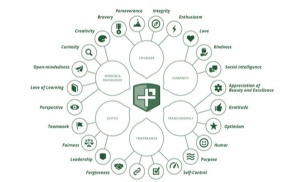
There are few things more inspiring than meeting someone who is secure in their knowledge of themselves and their strengths.

There is very little that can compare with the joy of waking up to an early winter’s morning game drive in the Karoo (a semi-desert region in South Africa).

Over the past two years, the Department for Education has taken a careful look at the national Relationships, Sex and Health Education (RSHE) curriculum to ensure it meets the needs of children growing up in an increasingly complex world.

This week, the national conversation around children’s wellbeing has centred strongly on one issue: how we support young people as they navigate an increasingly complex digital world.

There is a particular sort of quiet that settles over a school at the end of the day. The corridors, so recently full of hurried footsteps and half-finished conversations, fall still. One has time then to think about the boys, about the small triumphs and disappointments that filled the hours, and about the curious way in which difficulty seems so often to accompany growth.