Heart: more than a beat
In yesterday’s Lower/Middle Prep assembly, boys were encouraged to reflect on the idea of the heart, both as a vital physical organ and as a useful way of thinking about emotional and moral wellbeing.
Children learn early that the heart keeps them alive, but they also hear the word used in other ways: having heart, speaking from the heart, a kind heart. These everyday expressions provide a helpful framework for discussing feelings, behaviour, and personal values in a way that is accessible and age-appropriate.
One focus of the assembly was helping pupils recognise how their bodies respond to challenge. A faster heartbeat can accompany excitement, nervousness, or effort. Rather than viewing this as something to worry about, children were encouraged to understand it as a normal response to change and growth. This supports an important wellbeing message: feeling uncomfortable does not mean something is wrong; it often means we are learning.
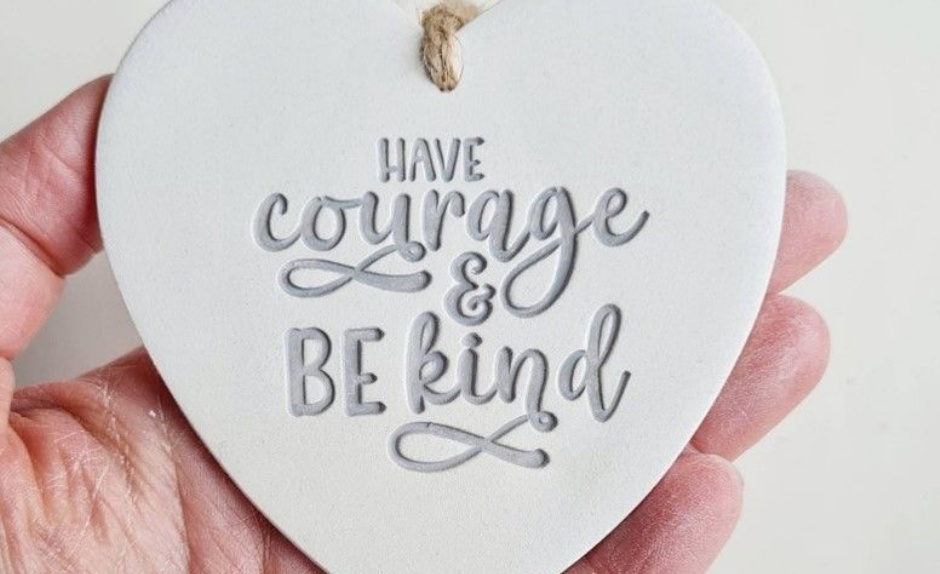
The idea of courage was explored in this context. For children, bravery is rarely dramatic. It is more often found in small moments - attempting a new task, persevering after a mistake, or contributing in front of others. Framing courage in this way helps pupils see that anxiety and bravery can exist together, and that self-belief develops through experience rather than perfection.
Kindness was considered as an active choice rather than a passive quality. Our boys reflected on noticing others, including those who may be quieter or less visible, and on the role that inclusion plays in emotional wellbeing. Shared activities such as singing provided a practical reminder that community wellbeing depends on listening, cooperation, and mutual respect.
The assembly also touched on honesty, particularly the idea of listening to one’s inner sense of what is right. For children, being truthful can feel difficult, especially when mistakes are involved. Presenting honesty as a way of restoring balance and emotional clarity - rather than simply avoiding consequences - supports the development of integrity and self-awareness.
Music played a significant role throughout, not as performance but as a means of regulating pace and mood. Moments of singing and quiet listening helped create space for reflection, reinforcing the importance of calm, attention, and shared experience in supporting wellbeing.
The overall message was simple: while the physical heart works automatically, the “heart” of character and wellbeing is shaped gradually through everyday choices. Acts of courage, kindness, and honesty - however small - contribute to a child’s sense of confidence, belonging, and emotional resilience.
As always, these ideas are most powerful when reinforced beyond school. Conversations at home about feelings, challenge, and values help children make sense of their experiences and build a healthy relationship with both success and difficulty. Together, school and parents support children in developing not just strong minds, but strong hearts.
Craig Cuyler
Designated Safeguarding Lead/Director of Wellbeing/
Head of PSHEe/Assistant Housemaster (Main School)