Understanding the Updates to the RSHE Curriculum
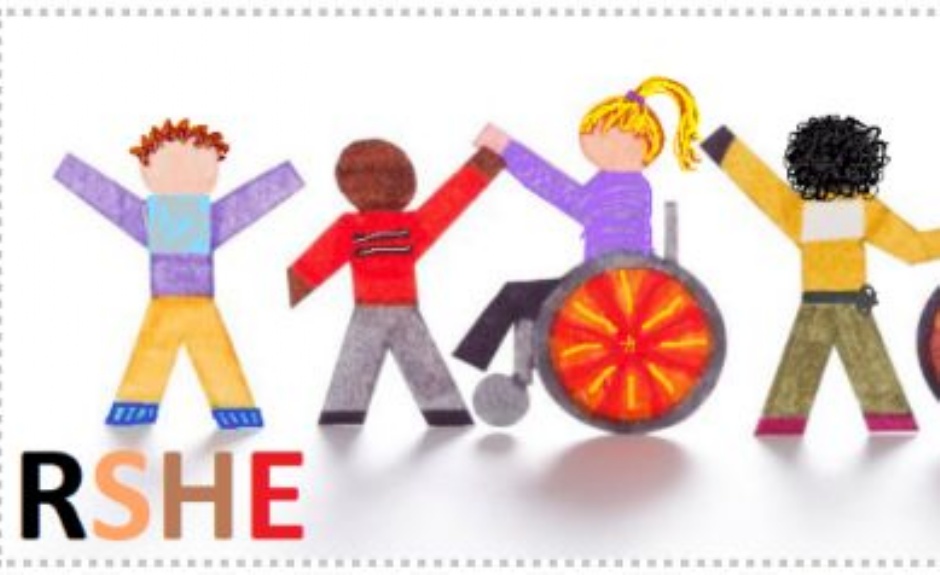
Over the past two years, the Department for Education has taken a careful look at the national Relationships, Sex and Health Education (RSHE) curriculum to ensure it meets the needs of children growing up in an increasingly complex world.
The updated guidance, which becomes statutory by September 2026, strengthens how schools approach safeguarding, emotional development and wellbeing. Although there is time for schools to implement these changes, many, ours included, will begin aligning with the expectations well in advance.
I have outlined some of the key updates below and described how they will shape our engagement with your son(s) here at Pilgrims’.
Supporting Children in Their Digital Lives
One of the most significant areas of change is the strengthened focus on online safety. Our children encounter digital spaces earlier and more frequently than ever before, and the updated curriculum recognises this reality.
Pupils will now learn more about navigating online risks, including gaming-related monetisation, scams, fraud, and other financial harms. They will also explore the reasons behind age restrictions online and how these help keep young users safe.
Importantly, the guidance acknowledges newer digital risks; such as AI‑generated images, deepfakes and the influence of unhelpful online personalities. For younger pupils, this will always be addressed gently and practically. Our priority remains the same: to equip children with the confidence to pause, question, and seek the support of trusted adults when something online feels “not quite right.”
Practical Personal Safety for Everyday Life
The curriculum now places a renewed emphasis on real‑world personal safety. Children will be taught life skills that extend far beyond the classroom: how to stay safe near roads, railways and water; how to navigate public spaces sensibly; and how to respond in situations involving fire or travel.
As always, these lessons will be delivered in a calm, age‑appropriate manner. Our aim is not to alarm but to empower; giving children simple routines, helpful habits, and the sense of everyday confidence that comes from knowing what to do.
Clear, Confident Understanding of Their Bodies
Another area of clarification involves helping children understand their bodies in a straightforward and safeguarding‑focused way. Pupils will learn the correct names for body parts, including genitalia, as this supports clarity and reduces confusion as children grow.
Teaching about puberty will continue to be handled sensitively, with clear reference to biological sex, ensuring pupils receive accurate and reliable information.
The updated guidance also notes that schools do not need to teach the concept of gender identity. If it is covered, it must be factual and age‑appropriate. As always, our approach at Pilgrims’ remains rooted in emotional safety, clarity and respect for the diverse families we serve.
Nurturing Emotional Wellbeing
Children experience emotions in many forms, and sometimes earlier than adults expect. The updated curriculum recognises this and includes gentle teaching around concepts such as change, loss and bereavement. Pupils will also explore themes around loneliness, understanding their own feelings, recognising emotions in others and knowing when and how to ask for help.
These lessons are delivered with warmth and compassion, helping children develop emotional literacy and resilience in a nurturing school environment where they feel known and supported.
Encouraging Respectful Relationships
As children grow older, they begin to encounter messages (online and offline) that may feel confusing or unhelpful. The updated guidance therefore includes teaching about respectful behaviours and the impact of negative or harmful influences, including misogyny and toxic online figures.
At a prep‑school level, this is approached gently, focusing on kindness, fairness, empathy and what respectful friendships look and feel like. These are concepts we already weave naturally through school life.
Strengthening Our Partnership with Families
A particularly welcome part of the updated guidance is its emphasis on the role of parents. Schools are now expected to ensure that parents can view and understand all RSHE materials used in lessons. It also recognises the many different family structures children may come from, including same‑sex parents, single‑parent families and kinship care.
This aligns beautifully with our ethos at Pilgrims’: RSHE is at its best when school and home work hand in hand.
What This Means for Pilgrims’
Much of the new RSHE guidance reflects what we already do thoughtfully and consistently here. Over the coming months, we will continue to review and refine our curriculum so that it aligns fully with the updated expectations well ahead of the statutory deadline.
Our commitment remains unchanged: to teach RSHE in a warm, calm and age‑appropriate way that places your son’s wellbeing at the heart of everything we do.
We will continue to keep you informed, share resources and invite you into the process. If you have any questions or would like to discuss any aspects of the curriculum further, please do get in touch - our door is always open.
Craig Cuyler
Designated Safeguarding Lead/Director of Wellbeing/
Head of PSHEe/Assistant Housemaster (Main School)