Just a little respect...
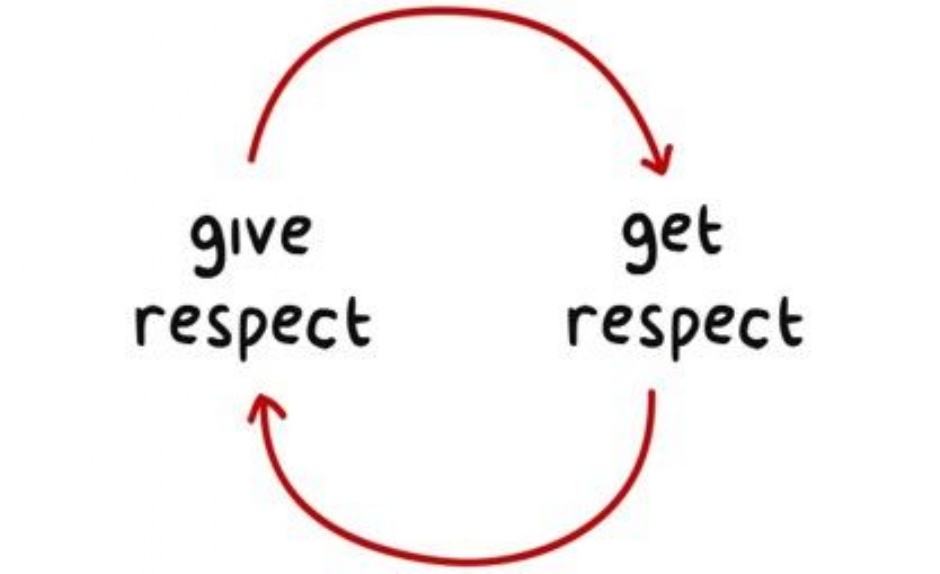
Respect sits at the heart of a happy and thriving community. It underpins positive relationships, supports emotional wellbeing, and helps children learn how to live and grow alongside others with kindness and understanding.
When children develop a strong sense of respect, they are better equipped to navigate friendships, manage differences, and contribute positively to the world around them.
Helping children to understand and practise respect is an important part of their development. It does not happen by chance; rather, it grows through gentle guidance, clear expectations, and, most importantly, the example set by the adults around them.
Respect goes far beyond good manners. It is about recognising the value in ourselves and in others, and acting in ways that reflect that understanding. In school and at home, we encourage children to develop respect in a number of meaningful ways:
- Respect for others – showing kindness, listening carefully, and appreciating different viewpoints
- Respect for self – developing confidence, maintaining healthy boundaries, and recognising personal worth
- Respect for differences – celebrating diversity and treating everyone with dignity and fairness
- Respect for rules and guidance – understanding the importance of structure and learning how to contribute positively within a community
As these habits grow, so too does children’s emotional intelligence, helping them build strong relationships and approach life with empathy and confidence.
Children are naturally observant and learn a great deal from the adults around them. The way we speak, listen, and respond to others provides a powerful daily model for respectful behaviour. By consistently demonstrating patience, fairness, and understanding, we give children a clear and lasting example to follow.
Throughout history, we can also find inspiring examples of individuals who have embodied respect in powerful ways. Figures such as Mahatma Gandhi showed how respect for others, even in challenging circumstances, can guide peaceful action and meaningful change. Similarly, Rosa Parks demonstrated quiet strength and self-respect, reminding us of the importance of dignity and equality for all. These stories help children see that respect is not simply an idea, but something that can shape the world for the better.
An important part of nurturing respect is helping children understand boundaries and consequences. When approached with care and consistency, discipline becomes a valuable teaching tool. By explaining why certain behaviours are not acceptable and encouraging children to reflect and make amends, we support them in developing responsibility and empathy.
Ultimately, respect is a skill that develops over time. Through encouragement, clear guidance, and positive role modelling, we can help children grow into thoughtful, considerate individuals who value both themselves and others.
As they continue their journey through school and beyond, the respect they learn now will shape their relationships, their choices, and their contributions to the wider world. With this strong foundation, they are well placed to help create a future defined by kindness, understanding, and community.
Craig Cuyler
Designated Safeguarding Lead/Director of Wellbeing/
Head of PSHEe/Assistant Housemaster (Main School)