Roots Beneath the Surface
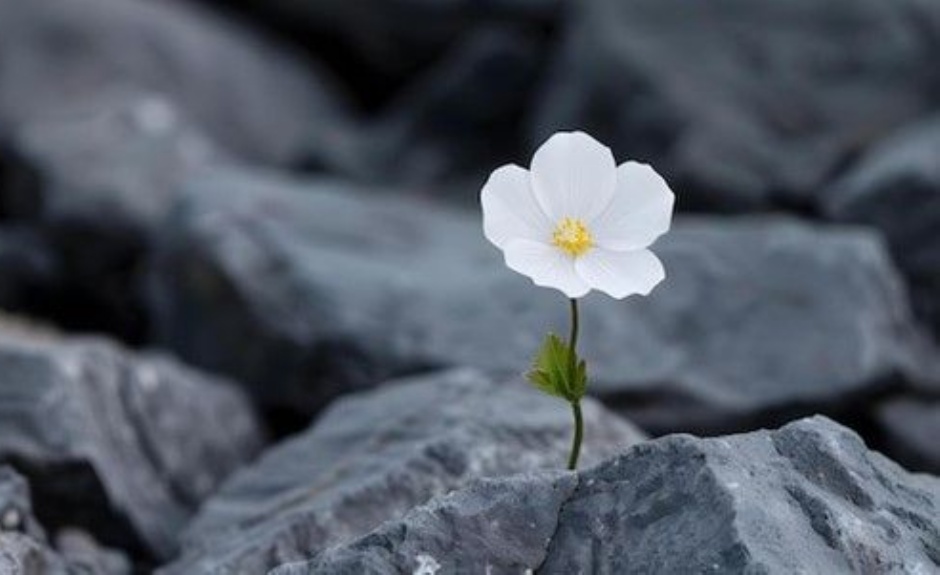
There is a particular sort of quiet that settles over a school at the end of the day. The corridors, so recently full of hurried footsteps and half-finished conversations, fall still. One has time then to think about the boys, about the small triumphs and disappointments that filled the hours, and about the curious way in which difficulty seems so often to accompany growth.
It is not an easy matter to speak about adversity with any confidence. One must do so gently. Pain, after all, is never theoretical to the person who bears it. It is immediate and often bewildering. Yet it would also be untrue to pretend that challenge has no place in the shaping of a life.
Many of the most worthwhile qualities in a person, such as patience, humility, courage and kindness, rarely emerge in comfort alone. They tend instead to appear, almost shyly at first, when something resists us. A disappointment. A failure. An effort that demands more than we believed we possessed. In those moments something rather subtle begins to occur: we discover that we are not quite as self-sufficient as we imagined, and not quite as fragile either.
Watching young people grow makes this especially clear. A boy who struggles with a piece of music, or a difficult passage of Latin, may initially feel only frustration. Yet, given time and encouragement, something deeper begins to take root. Perseverance grows quietly where discouragement once stood. Confidence appears not because the task was easy, but because it was not.
Adversity, when held within care and compassion, can therefore become a kind of teacher. Not a harsh one, nor one we would ever wish to impose unnecessarily, but a teacher nonetheless. It reveals the limits of pride and the strength of perseverance. It teaches us to rely on others. Perhaps most importantly, it reminds us that growth is rarely tidy.
Of course, none of this means that suffering is good in itself. One must be careful here. Pain is not something to romanticise, nor something to dismiss with easy explanations. There are hardships that simply wound, and the proper response to those is kindness, presence, and patience. Yet even in such moments, many people discover within themselves unexpected reserves of gentleness and courage.
What adversity often does, then, is strip away the illusion that life is meant to proceed without resistance. When that illusion fades, something steadier may take its place: a quieter understanding that character is formed not in the absence of difficulty but through the ways we meet it.
In a school, as in life, we hope not to shield young people from every challenge. That would leave them ill-prepared for the wider world. Instead, we try to walk alongside them as they encounter difficulty; reminding them that setbacks are not verdicts, that effort matters more than immediate success, and that perseverance is rarely wasted.
And perhaps that is the quiet gift hidden within adversity. It reminds us that growth is often happening precisely when things feel most uncertain. Not loudly, and not all at once, but slowly, like roots deepening beneath the surface long before any leaves appear.
In the end, one might say that difficulty does not shape us by force, but by invitation. It invites us to become more patient, more compassionate, more resilient than we were before. Whether we accept that invitation is another matter entirely. But when we do, even the harder chapters of life can, in time, contribute to a fuller and more generous character.
Craig Cuyler
Designated Safeguarding Lead/Director of Wellbeing/
Head of PSHEe/Assistant Housemaster (Main School)