Supporting Our Children in a Changing Digital Landscape
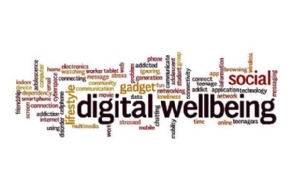
This week, the national conversation around children’s wellbeing has centred strongly on one issue: how we support young people as they navigate an increasingly complex digital world.
Thoughts, comments, ideas and pause for thought from members of our school and extended community.
This week, the national conversation around children’s wellbeing has centred strongly on one issue: how we support young people as they navigate an increasingly complex digital world.
There is a particular sort of quiet that settles over a school at the end of the day. The corridors, so recently full of hurried footsteps and half-finished conversations, fall still. One has time then to think about the boys, about the small triumphs and disappointments that filled the hours, and about the curious way in which difficulty seems so often to accompany growth.
As parents, you will know better than anyone how naturally our children inhabit the digital world.
Belonging is one of the quiet human needs - rarely announced, often disguised, but deeply formative. For children especially, it is not an abstract idea but a daily emotional reality.
At Pilgrims’ School, the safety, wellbeing and emotional health of our children are always at the heart of what we do
Parents of prep school pupils often find themselves in what can best be described as the middle.
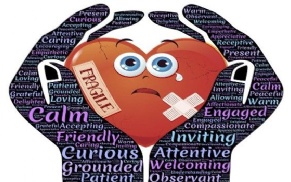
In yesterday’s Lower/Middle Prep assembly, boys were encouraged to reflect on the idea of the heart, both as a vital physical organ and as a useful way of thinking about emotional and moral wellbeing.
The calendar flips. The fireworks fade. And for a brief moment, the year feels open - unwritten. January has a way of inviting reflection while pretending to offer a clean slate. We make resolutions, set goals, promise ourselves that this will be the year we focus.
As the evenings draw in and the familiar glow of Christmas begins to settle across the school, we are reminded that this season has long brought out the very best in people.
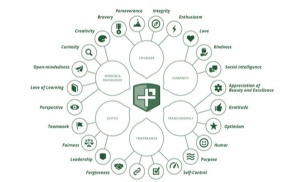
At Pilgrims’, the development of each boy’s character and wellbeing sits alongside his academic learning. Our PSHEe programme, supported by the SCARF curriculum, provides a guiding framework that helps pupils grow in confidence, empathy and resilience as they move through the school.
Comparison is something we all do, often without realising it. Children notice who runs the fastest, who answers quickly, who colours neatly; adults do much the same, only in subtler ways.