From the Base
Published 26/09/21, by Angela Slater
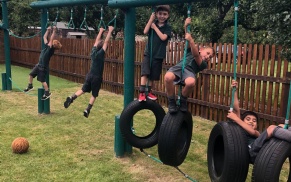
Tough world for boys?
It can be a tough world for boys to grow up in. There is a lot of conflicting messaging in the modern world. For example:
Thoughts, comments, ideas and pause for thought from members of our school and extended community.
Tough world for boys?
It can be a tough world for boys to grow up in. There is a lot of conflicting messaging in the modern world. For example:

Know my name?
This week I have been trying to learn all the new boys' names. There are quite a few this year, and I never quite succeed inside the first seven days but I'm well along the way. I encourage the boys to do so too.
|

Last week I talked about the benefits of optimistic bias. A lot of my words are based on the work of Tali Sharot, Professor of cognitive neuroscience in the department of Experimental Psychology at University College London. Her work has revealed these benefits, but also highlights problems.

Optimistic bias is when we think things will be better than they probably are. For example, when going to a job interview optimistic bias will lead us to believe we are 'likely' or have 'a good chance' of getting the job. In reality, it might be 20% or even 10% likely. But our bias encourages us to think we are certainly a good bet.

|
The Pilgrims' community - good mental health
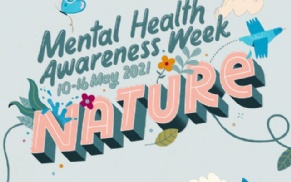
A few months ago we focused on Children's Mental Health Awareness Week. For the last few years we have chosen that week to be our opportunity to ensure the message is child centred, accessible to students and parents alike.

Last week I spoke about resilience. This week, Mr Cuyler has expanded further on this idea.

I thought it might be helpful for you know some initiatives going on within the school to help develop the pupils' wellbeing, self-regulation, personal growth and happiness.

Manners
When my children were young my wife and I, when they were really annoying us, would say, 'They might be devils at home but at least they are angels at school.' I don't think they were ever angels, but they knew their pleases and thank yous, always behaved and didn't speak out of turn. And so do many children.

In an especially touching lesson with Year 3 this week, we discussed having a pet and what you have to do to look after one. The boys spoke passionately about their love of animals, from dogs and cats to ducks and rabbits. One of the points of the lesson was to introduce the concept of loss and how it might make someone feel, how to talk about it, and what it all means. Tricky but worthy stuff.

Is talking all it's cracked up to be?
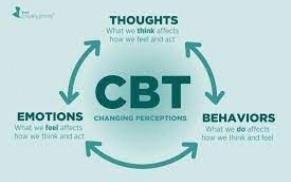
When things are tough, we're encouraged to talk about it. Got a problem? Open up. Feeling rubbish? Call a friend. Struggling with life? See a therapist.
Question is, does it help? Well, depends on who you talk to - but often the answer is based on someone's own experience.